What Is Kidney Disease?
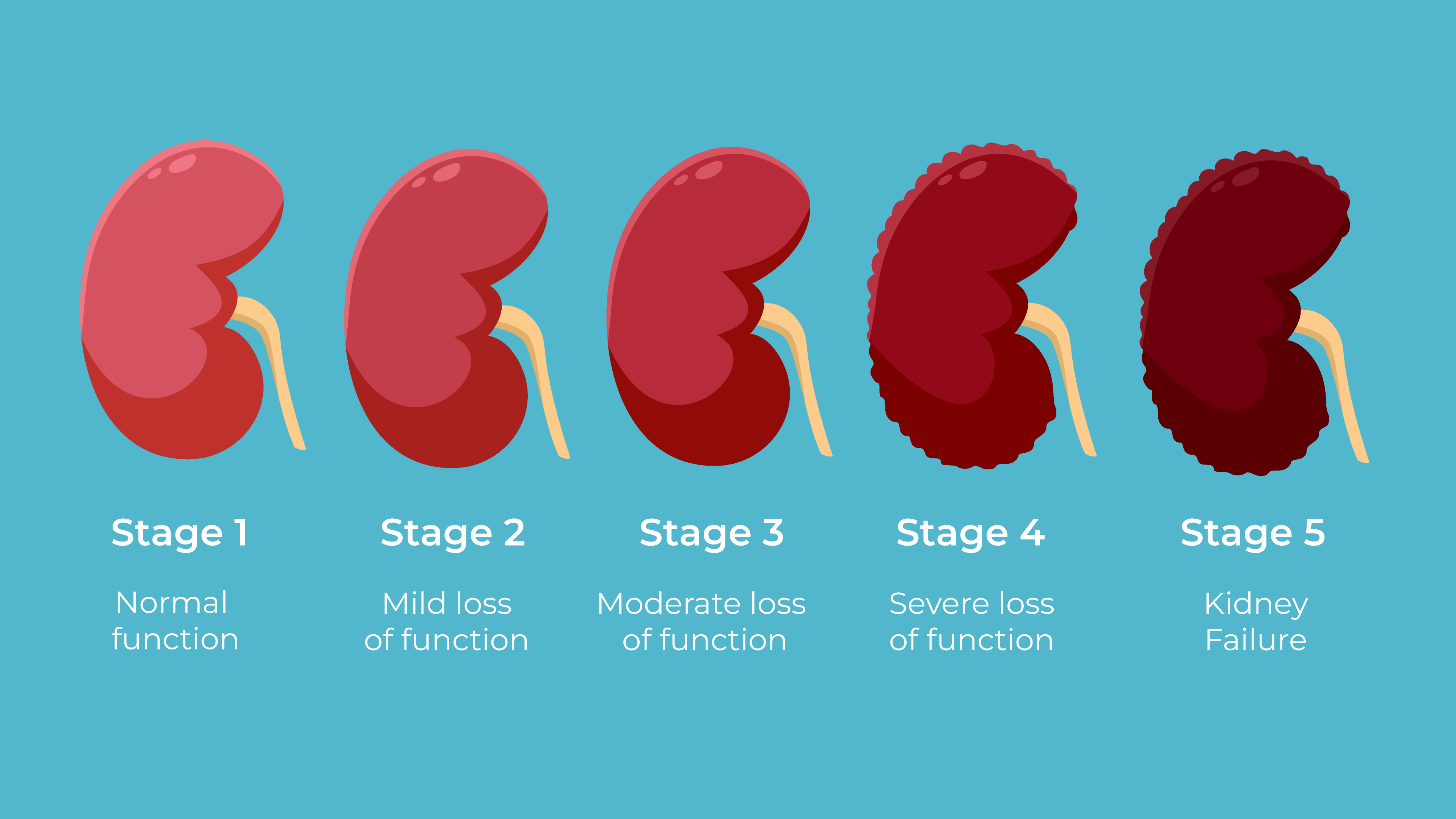
Kidney disease occurs when the kidneys lose their ability to function properly. This can happen gradually over time (chronic kidney disease) or suddenly (acute kidney failure). Without treatment, kidney disease can progress to end-stage renal disease, requiring dialysis or a kidney transplant.
Types of Kidney Disease
- Chronic Kidney Disease (CKD): Gradual loss of kidney function over time.
- Acute Kidney Failure: Sudden loss of kidney function, often reversible with treatment.
- Kidney Stones: Hard deposits of minerals and salts that form in the kidneys.
- Polycystic Kidney Disease (PKD): A genetic disorder causing cysts to form in the kidneys.
- Urinary Tract Infections (UTIs): Infections that can spread to the kidneys if untreated.
Kidney Disease Causes
- Diabetes: High blood sugar levels can damage the kidneys over time.
- High Blood Pressure: Puts extra strain on the kidneys.
- Glomerulonephritis: Inflammation of the kidney's filtering units.
- Infections or Autoimmune Diseases: Such as lupus or recurrent UTIs.
- Lifestyle Factors: Poor diet, dehydration, smoking, and excessive use of painkillers.
Kidney Disease Symptoms & How to Diagnose Kidney Disease
Symptoms:
- Fatigue and weakness
- Swelling in the legs, ankles, or feet
- Changes in urine (color, frequency, or volume)
- Persistent itching or dry skin
- Shortness of breath
- High blood pressure
Diagnosis:
- Blood Tests: Measure creatinine and blood urea nitrogen (BUN) levels
- Urine Tests: Detect protein or blood in the urine
- Imaging Tests: Ultrasound or CT scans to view kidney structure
- Kidney Biopsy: Sample of kidney tissue examined for damage or disease
Kidney Disease Treatment
- Lifestyle Changes: Healthy diet, regular exercise, and quitting smoking
- Medications: Control blood pressure, blood sugar, and cholesterol levels
- Dialysis: A treatment that removes waste and excess fluids from the blood when the kidneys are no longer functioning
- Kidney Transplant: Replacing the damaged kidney with a healthy one from a donor
- Monitoring and Management: Regular check-ups to prevent further complications